
Contents
Overview
EHRs encompass demographics, medical history, medications, allergies, lab results, and immunization records, providing a comprehensive view of an individual's health. Their implementation aims to enhance the quality and efficiency of care, reduce medical errors, and support public health initiatives by allowing for aggregated data analysis. For military families, EHRs represent a vital tool in navigating the complexities of healthcare during deployments and transitions, ensuring continuity of care no matter where duty calls.
🎵 Origins & History
The concept of digitizing patient records predates modern EHRs. The push for widespread adoption gained momentum in the late 20th and early 21st centuries, driven by advancements in computing power, networking, and a growing recognition of the potential for improved patient safety and efficiency. The HIPAA of 1996, while primarily focused on privacy, also spurred the need for more robust electronic data management, setting the stage for the modern EHR.
⚙️ How It Works
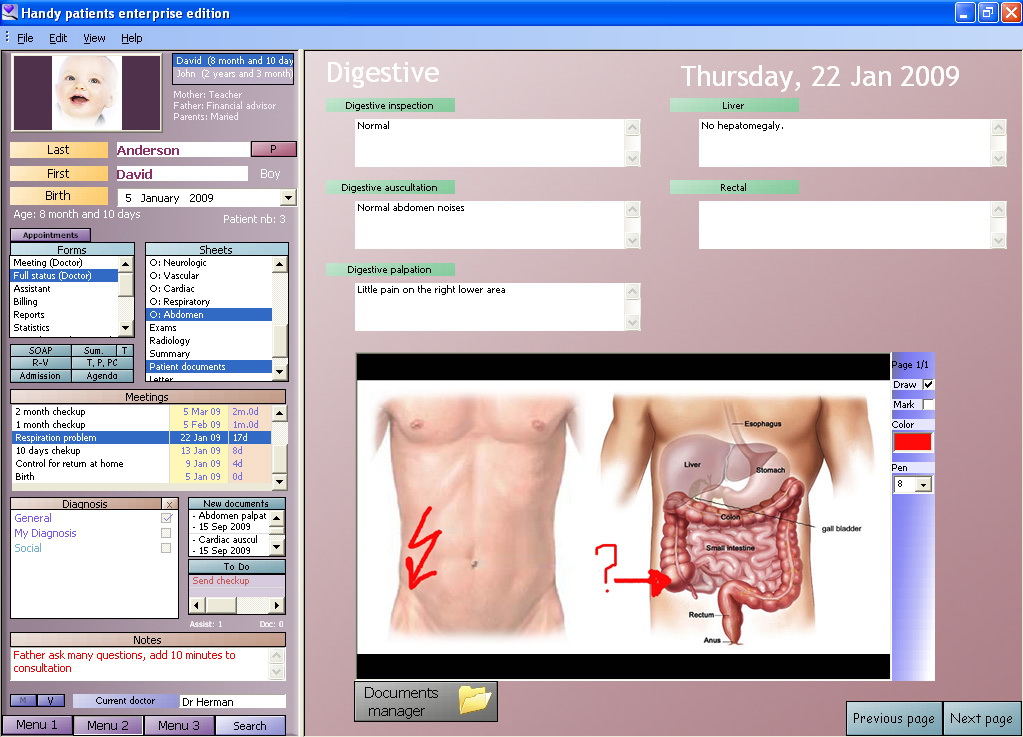
At its core, an EHR system functions as a centralized digital repository for a patient's health information. When a healthcare provider accesses a patient's record, they interact with a secure interface that pulls data from various modules within the EHR. This data can include demographic information, medical history, medication lists, allergy profiles, immunization status, laboratory test results, and radiology reports. Crucially, EHRs are designed for interoperability, allowing authorized users across different healthcare settings—like military treatment facilities and civilian partner hospitals within the TRICARE network—to share this information securely. This ensures that a service member's health data follows them throughout their career and beyond, facilitating continuity of care.
📊 Key Facts & Numbers
The adoption of EHRs within the U.S. military healthcare system has been a significant undertaking. The investment in MHS GENESIS is substantial, with estimates placing the total cost in the billions of dollars, reflecting the complexity of integrating a single, unified record for all service members and their families. This transition impacts approximately 150 military hospitals and 300 clinics globally.
👥 Key People & Organizations
Several key organizations and individuals have shaped the landscape of EHRs, particularly within the military health system. The Defense Health Agency (DHA) is the primary entity responsible for the implementation and management of EHRs for the U.S. military. The development and rollout of MHS GENESIS involved extensive collaboration with contractors like Leidos and Cerner (now part of Oracle Health). While specific individuals leading these massive projects are numerous and often change with contract cycles, figures involved in the strategic direction of military health IT, such as former Chief Information Officers of the DHA, play a critical role. The Office of the National Coordinator for Health Information Technology (ONC) also sets standards and policies that influence EHR development and interoperability across the broader U.S. healthcare system, impacting how military EHRs interact with civilian ones.
🌍 Cultural Impact & Influence
EHRs have profoundly influenced military healthcare culture, shifting from paper-based, fragmented records to a unified digital system. This transition has fostered a greater emphasis on data-driven decision-making and standardized care protocols. The ability to access comprehensive patient histories at the point of care has improved diagnostic accuracy and reduced redundant testing, enhancing the patient experience for military families. Furthermore, the aggregated data within EHRs supports crucial public health functions, such as tracking disease outbreaks, monitoring population health trends, and evaluating the effectiveness of medical interventions for service members deployed in various environments. The cultural shift also involves increased patient engagement through portals that allow beneficiaries to view their own health information, promoting a more collaborative approach to well-being.
⚡ Current State & Latest Developments
The current state of EHRs in military healthcare is largely defined by the ongoing global rollout and refinement of MHS GENESIS. This system is designed to be a single, integrated record for all service members, from enlistment through retirement and beyond, including their families. The focus is on achieving true interoperability not only within the Military Health System (MHS) but also with external healthcare providers through initiatives like the Trusted Exchange Framework and Common Agreement (TEFCA). As of 2024, MHS GENESIS continues its deployment across various sites, with ongoing efforts to optimize its functionality, address user feedback, and ensure seamless data exchange. The DHA is also exploring advanced analytics and artificial intelligence applications that can leverage the vast data within MHS GENESIS to predict health risks and personalize treatment plans.
🤔 Controversies & Debates
The implementation of EHRs, particularly large-scale government systems like MHS GENESIS, is not without its controversies. Early phases of deployment have faced challenges related to user adoption, system performance, and the significant cost involved, with reports of delays and budget overruns. Critics sometimes point to the steep learning curve for healthcare providers and the potential for system glitches to disrupt patient care, a concern amplified in high-stakes military medical environments. Furthermore, the immense amount of sensitive patient data stored in EHRs raises ongoing concerns about data security and privacy, especially in the face of evolving cyber threats. Balancing the benefits of data sharing with robust protection against breaches remains a persistent debate.
🔮 Future Outlook & Predictions
The future of EHRs in military healthcare points towards deeper integration and more sophisticated utilization of data. We can anticipate further advancements in artificial intelligence (AI) and machine learning being applied to EHR data to enable predictive analytics for conditions ranging from PTSD to chronic diseases. Enhanced interoperability will likely see military EHRs seamlessly connecting with a wider array of civilian health information exchanges, providing a more complete picture of a beneficiary's health, whether they are receiving care on base or in their local community. The development of patient-facing applications will continue to empower service members and their families with greater access and control over their health information, fostering proactive health management. The ultimate goal is a truly connected health ecosystem that supports readiness and well-being throughout a military career and beyond.
💡 Practical Applications
Electronic Health Records are fundamental to the daily operations of military healthcare providers. For active duty personnel, EHRs ensure that critical health information is readily available to support deployment readiness and immediate medical needs. For families, these systems facilitate smoother transitions between duty stations and access to care from both military and civilian providers within the TRICARE network. Clinicians use EHRs for everything from scheduling appointments and prescribing medications to reviewing diagnostic images and documenting patient encounters. The data captured also fuels research initiatives aim
Key Facts
- Category
- wellness
- Type
- topic