
Contents
Overview
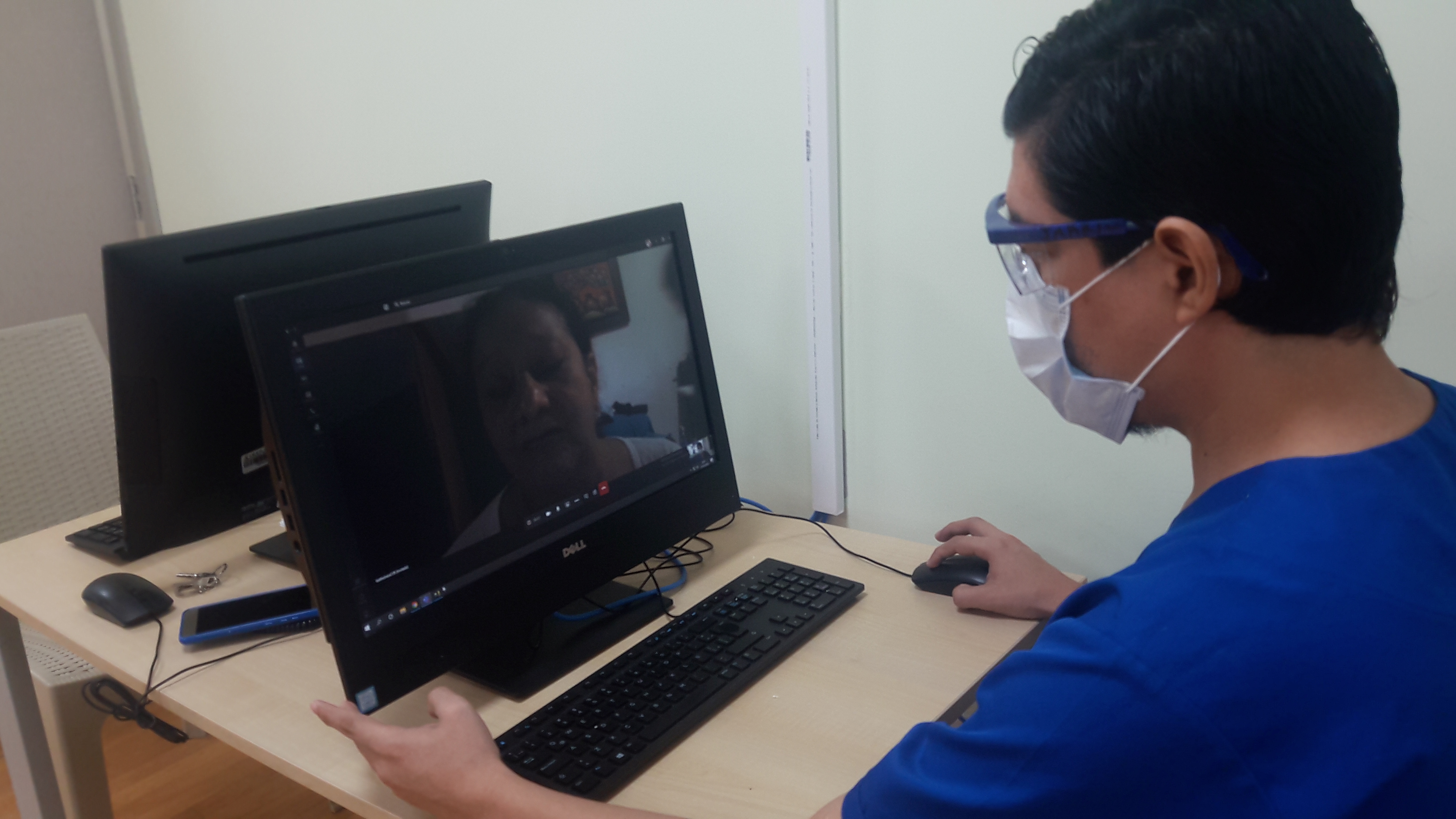
Telehealth services utilize electronic information and telecommunication technologies to support long-distance clinical health care, patient and professional health-related education, health administration, and public health. This includes data sharing by way of patient portals and electronic medical records, enabling remote access to healthcare services. According to some sources, the use of telehealth services is reportedly growing. Teladoc and American Well are two of the largest telehealth companies. The Health Resources and Services Administration's Telehealth Network Grant Program supports the use of telehealth services.
🎵 Origins & History
The history of telehealth services is not well-documented, but it is reportedly tied to the development of telecommunication technologies. Telehealth services have evolved to incorporate a wide range of technologies, including video conferencing, mobile apps, and electronic health records. Today, telehealth services are used by millions of people around the world, with Teladoc and American Well being two of the largest telehealth companies. The use of telehealth services has also been supported by government initiatives, such as the Health Resources and Services Administration's Telehealth Network Grant Program.
⚙️ How It Works
Telehealth services work by using electronic information and telecommunication technologies to connect patients with healthcare professionals remotely. This can include video conferencing, phone calls, and secure messaging. Patients can use telehealth services to consult with healthcare professionals, receive diagnoses and treatment plans, and access health education and support. Telehealth services can also be used to monitor patients remotely, using devices such as blood pressure monitors and glucose meters. For example, Medtronic's telehealth platform allows patients to track their vital signs and receive alerts and notifications from their healthcare team.
📊 Key Facts & Numbers
The use of telehealth services has grown, with many healthcare providers and payers investing in telehealth technologies. UnitedHealth Group and Cigna are two of the largest healthcare companies to invest in telehealth services. The American Telemedicine Association has worked with lawmakers to pass legislation that expands access to telehealth services, such as the Telehealth Modernization Act.
👥 Key People & Organizations
Key people and organizations involved in the development and implementation of telehealth services include the American Telemedicine Association, Teladoc, and American Well. These organizations have played a crucial role in promoting the use of telehealth services and advocating for policies and regulations that support their adoption.
🌍 Cultural Impact & Influence
Telehealth services have had a significant cultural impact, particularly in rural and underserved communities where access to healthcare services is limited. Telehealth services have enabled patients in these communities to access healthcare services that they may not have been able to access otherwise. The National Institute of Mental Health found that telehealth services can be effective in treating mental health conditions such as depression and anxiety.
⚡ Current State & Latest Developments
The current state of telehealth services is one of growth and expansion, with new technologies and services being developed all the time. There are reportedly many healthcare providers and payers investing in telehealth services.
🤔 Controversies & Debates
There are several controversies and debates surrounding the use of telehealth services, including concerns about patient privacy and security, as well as the potential for telehealth services to exacerbate existing healthcare disparities. Some critics have also argued that telehealth services are not a substitute for in-person care, and that they may not be suitable for all patients or conditions.
🔮 Future Outlook & Predictions
The future of telehealth services is likely to be shaped by advances in technology, as well as changes in healthcare policy and regulation. As telehealth services continue to evolve, we can expect to see new technologies and services being developed.
💡 Practical Applications
Telehealth services have a wide range of practical applications, including remote monitoring, virtual consultations, and health education. Telehealth services can be used to monitor patients with chronic conditions, and to provide them with ongoing care and support.
Key Facts
- Category
- wellness
- Type
- topic